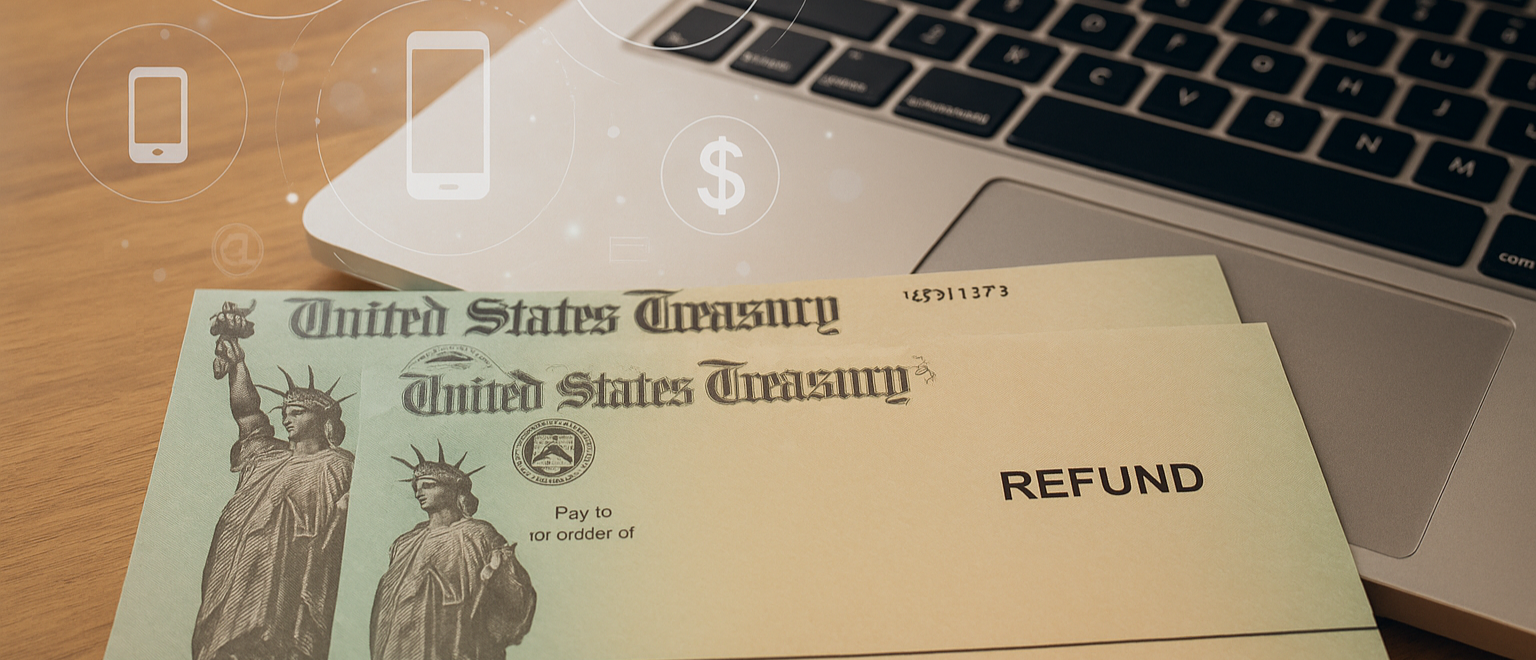
If you normally receive your IRS refund as a paper check in the mail, big changes are ahead. Starting with 2025 tax returns filed in 2026, the IRS plans to issue nearly all refunds electronically. Paper refund checks will only be available in limited circumstances.
This shift is part of the IRS’s modernization efforts, but it could leave some taxpayers scrambling—especially if you don’t use direct deposit or don’t have a bank account. Let’s break down what’s changing, when it’s happening, and how to prepare.
What’s Changing and When?
-
The Switch Begins January 2026
For the 2025 filing season, the IRS will stop mailing most paper checks. Refunds will move to direct deposit or other electronic options. -
Businesses Will Be Affected Too
Business refunds—often issued by paper check—will now require bank account details for electronic refunds. -
No Bank Account? The IRS Has Options
The IRS is developing alternatives such as reloadable debit cards and digital wallets. These could be available as early as 2026 and are expected to expand by 2027. -
Special Situations Still Under Review
International taxpayers, those in bankruptcy, or taxpayers filing amended returns may still receive paper checks temporarily.
⚠️ Keep in mind: The IRS may adjust these plans mid-2026. Staying informed is key.
What This Means for You
This change could make refunds faster and more secure—but only if you’re prepared.
-
Action May Be Required
If you don’t include direct deposit details, your refund could be delayed. Watch for IRS notices and make updates before filing. -
Set Up Your IRS Online Account
Creating an IRS online account now makes it easier to update information, track refunds, and prevent delays. -
Plan Ahead
Don’t wait until tax season to figure out how you’ll receive your refund. Work with a tax professional early to avoid unnecessary stress.
How TaxWorx Can Help
At TaxWorx, LLC in Fort Worth, we help individuals and business owners navigate IRS changes with confidence. Whether you need help setting up an IRS online account, updating your banking information, or exploring refund options, we’re here to make sure you’re not left behind.
If you have questions about these upcoming changes—or any other IRS issue—call us at (817) 241-4120 for expert guidance.